
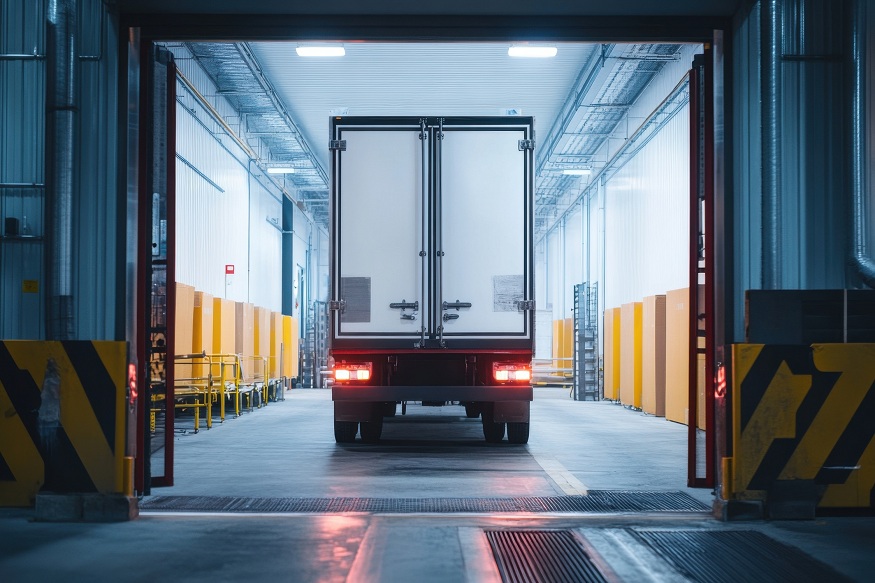
Why Cold Shipping Isn’t Just a Logistics Problem Anymore
Cold shipping touches everything now. Your medication, tonight’s dinner, tomorrow’s vaccine. The entire system creaks under pressure nobody anticipated ten years ago. What truckers once handled alone now worries doctors, farmers, and climate scientists alike.
Beyond Moving Boxes From Point A to Point B
Refrigerated product growth outpaces freezer truck supply. Insulin goes bad in heat. Berries turn to mush. Seafood becomes dangerous. Mess this up and people get sick, companies lose millions, food gets thrown away by the ton. The old days made things simple. Load the truck. Crank the refrigeration. Drive fast. Today’s reality laughs at that approach. Packages zigzag across oceans, sit in warehouses, ride in delivery vans through traffic. One hour at the wrong temperature ruins everything. Meanwhile, customers order frozen yogurt online in July and expect it to arrive perfect.
Environmentalists joined the conversation and changed everything. Refrigerated vehicles gulp fuel. Styrofoam coolers accumulate in landfills. Warehouses operate freezers continuously. People want their cold products without cooking the planet. Good luck solving that puzzle.
Read More: How to Choose the Right Hand Truck Trolley from ReflexEquip
The Technology Revolution in Temperature Control
Sensors the size of coins track temperatures constantly now. They beam data through cell towers while packages travel. Software screams alerts when readings drift toward danger zones. Some gadgets actually predict equipment failures, warning drivers before compressors die on interstate highways. Scientists developed materials that once seemed like magic. Some substances absorb heat at specific temperatures and release it gradually. Special films reflect heat like mirrors. Packages get smaller and lighter, yet protect better than old methods ever could.
The box itself joins the fight now. Some packages adjust cooling automatically based on the outside weather. Others hold steady temperatures for a week using zero electricity. Mix both approaches and you get remarkable results without the usual trade-offs.
Why Traditional Methods Fall Short Now
Big refrigerated trucks made sense for supermarket deliveries. But they’re terrible for dropping off groceries at fifty different houses. Every stop bleeds cold air. Running massive compressors for tiny orders wastes fuel. City driving with constant stops and starts pushes equipment past its limits. Dry ice looked great on paper. Then workers started passing out from carbon dioxide buildup. Regulations got complicated. Airlines restricted quantities. Environmental groups pointed out the carbon footprint.
Ice melts into puddles that soak through cardboard. Gel packs slide around, leaving hot spots. Neither keeps consistent temperatures for long trips. Throwing away thousands of used packs creates guilt and garbage. Extra weight drives up fuel costs. Results vary depending on who packed the box and how carefully.
Innovation Reshaping Cold Chain Strategy
Material manufacturers now tackle cold chain challenges head-on. Companies such as Epsilyte engineer EPS solutions for cold chain packaging that hold temperatures steady without harming the environment. Custom-molded foam fits products like a glove, wasting no space or cooling power. Recyclable versions calm sustainability worries without sacrificing protection.
Labs everywhere attack the problem from different angles. Vaccine developers make formulas that survive temperature swings. Agricultural scientists breed produce that stays fresh longer. Chemists craft cooling gels from plant materials. Each breakthrough takes pressure off the cold chain.
Computers model shipping routes before trucks roll. Software juggles weather forecasts, traffic patterns, and delivery windows. Digital tracking follows every package, recording conditions throughout the journey. Algorithms learn from failures, getting smarter with each shipment.
Read More: The New Wave of Sustainable Shipping
Conclusion
Cold shipping exploded from a trucking headache into everyone’s problem, affecting healthcare, food supplies, and environmental goals. New materials, smarter monitoring, and creative thinking chip away at the challenge. Progress happens daily, but coordination lags. The winners in this race will feed people, save lives, and protect the planet simultaneously. No pressure.